The Role a Singer Plays Across a Wedding Day
A wedding singer's responsibilities shift considerably depending on which part of the day they're performing for. During a ceremony, the priority is usually a controlled, emotionally resonant delivery — a processional, a reading accompaniment, or a signing-of-the-registry moment that supports the mood without pulling focus away from the couple themselves.
Cocktail hour calls for a different register entirely. Here, a singer often performs in a more relaxed, conversational style, providing warmth and ambiance while guests mingle. The vocal approach tends to be softer, allowing music to blend into the background of conversation rather than commanding full attention from the room.
Once the reception shifts into dinner, many singers scale back further, offering gentle vocal performances that complement rather than compete with table conversation. This segment often showcases a vocalist's range in a subtler way, favouring tone and phrasing over volume or energy, which requires real control and restraint from an experienced performer.
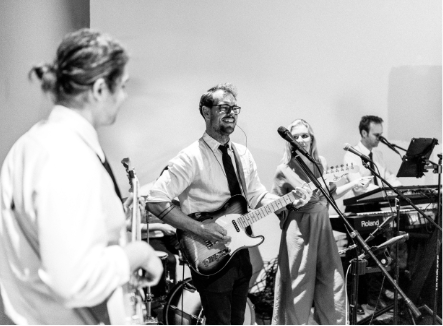
The dance floor portion of the evening is where a singer's energy typically peaks. Leading a live wedding band through up-tempo songs and crowd favourites requires stamina, strong stage presence, and the ability to read audience energy in real time, adjusting delivery to keep momentum building rather than plateauing partway through the set.
First dance performances demand a particular kind of precision. A singer performing a couple's chosen song live needs to match tempo and phrasing carefully, often after rehearsing the arrangement specifically for that moment. This is frequently one of the most emotionally significant parts of the reception, and getting the vocal delivery right matters a great deal.
What Sets a Strong Wedding Vocalist Apart
Vocal range and versatility are among the first things couples should consider when evaluating live wedding singers. A performer comfortable moving between genres — soul, pop, classic standards, current hits — tends to keep a broader mix of guests engaged than one specialized narrowly in a single style, especially across a guest list spanning multiple generations.
Stage presence matters just as much as vocal technique. A singer who connects naturally with a room, makes eye contact, and reads crowd energy tends to create a more engaging reception atmosphere than one who performs technically well but stays disconnected from the audience. This connection often becomes part of what guests remember most about the evening.
Experience specifically with weddings, rather than general live performance, also makes a real difference. Wedding musicians Toronto couples hire need to understand pacing across a multi-hour event, including handling scheduled moments like speeches or introductions without disrupting the flow of the celebration around them.
Reliability and preparation are equally important, particularly for meaningful moments like a first dance. A strong wedding vocalist takes time to learn a couple's chosen song thoroughly, rehearsing the arrangement so it feels natural and personal rather than rushed. This preparation typically becomes evident in how confidently the performance comes together on the day.
Professionalism throughout the booking process is another useful indicator. Singers who communicate clearly about logistics, ask thoughtful questions about the timeline, and respond promptly to planning details often translate that same reliability into their performance on the wedding day itself, reducing stress for couples during an already busy period.
Live Singers Versus Instrumental-Only Performances
Some couples weigh whether they want a vocal-led performance throughout their reception or prefer a more instrumental approach for certain segments. Vocals tend to add emotional depth and familiarity, since guests often connect strongly with songs they recognize being sung live, particularly during key moments like a first dance or father-daughter dance.
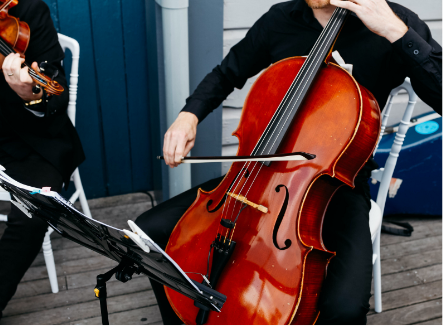
Instrumental arrangements, by contrast, can work well for ceremony music or cocktail hours where a more understated atmosphere is desired. Some couples choose instrumental-only performances during quieter segments and shift to full vocal arrangements once the reception moves into dinner and dancing, blending both approaches across the day.
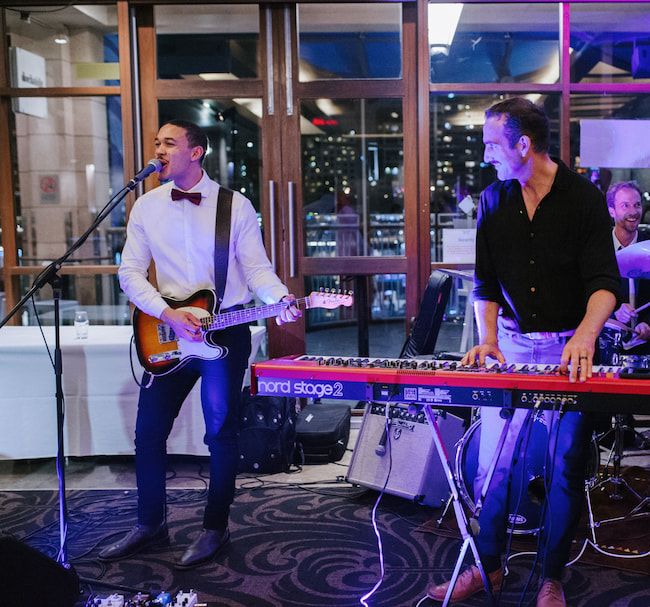
A full live wedding band featuring a strong vocalist typically offers the most range, since it can move fluidly between instrumental moments and vocal-driven ones depending on what a specific part of the day calls for. This flexibility is one reason many couples prioritize finding a band with strong lead vocal talent from the outset.
It's worth discussing directly with prospective performers how they balance instrumental and vocal segments throughout a typical wedding. Some groups default heavily toward vocal-forward sets, while others incorporate more instrumental breaks. Understanding this in advance helps ensure the overall sound matches what a couple envisions for their reception.
Cost and logistics can also factor into this decision, since vocal-led performances sometimes involve additional considerations around sound reinforcement to ensure lyrics are heard clearly throughout a venue. Discussing these practical details with a band, such as Red Soda Band, early in the planning process helps set realistic expectations.
Questions to Ask a Wedding Singer Before Booking
Couples should ask directly about a singer's typical repertoire and how comfortable they are learning new material for specific requests, particularly first dance songs that may not already be part of a standard set list. Understanding lead time needed for new songs helps with planning well ahead of the wedding date.
It's also worth asking how a singer or vocal-led band handles genre range across a full evening. Some vocalists specialize heavily in particular styles, while others, like the performers with Red Soda Band, aim for versatility across decades and genres, which tends to suit weddings with a wide range of guest ages and musical tastes.
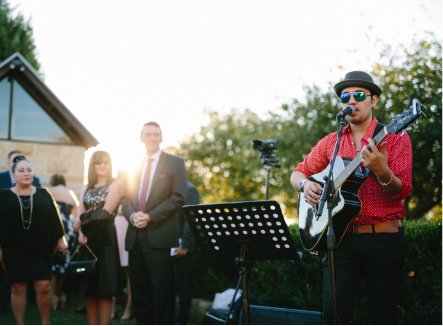
Sound equipment and technical setup deserve attention as well. Ask whether the performer brings their own microphone and sound reinforcement, and how they adjust for different venue acoustics. This is particularly relevant for outdoor Toronto wedding venues, where vocal clarity can be more challenging to maintain without proper equipment.
Couples should also clarify how much creative input they'll have over song choices and arrangements, especially for meaningful moments. Some vocalists prefer to interpret songs in their own style, while others aim to match an original recording closely. Discussing this preference early helps avoid mismatched expectations on the wedding day.
Finally, it's reasonable to ask about backup arrangements in case of illness or unavailability close to the date. Established wedding bands typically have contingency plans, whether through additional vocalists within the group or trusted substitutes, ensuring a booked performance isn't put at risk by unforeseen circumstances.
How Singers Contribute to Ceremony and Reception Flow
A wedding singer often plays a quiet but important role in guiding guests through transitions across the day. A processional song performed live sets an immediate emotional tone for the ceremony, while a well-chosen recessional piece can shift the mood toward celebration as the couple exits and guests move toward the cocktail hour.
During the reception, vocal cues often help mark transitions between segments, whether it's a shift from dinner entertainment into speeches or the moment the dance floor officially opens. A skilled vocalist manages these shifts smoothly, helping the evening feel like a connected whole rather than a series of disjointed segments.
Group dynamics matter too, particularly when a singer performs as part of a larger live wedding band. Strong vocal leadership can elevate the entire group's performance, giving instrumentalists a clear focal point to build around and helping the overall sound feel more cohesive throughout a long evening of varied musical demands.
Audience interaction is another area where singers often shape reception flow. A vocalist comfortable engaging guests directly, whether through brief remarks between songs or genuine enthusiasm on stage, tends to draw more people onto the dance floor and keep the energy sustained for longer stretches of the night.
By the time a reception reaches its later stages, a strong vocalist's consistency becomes especially valuable. Maintaining energy and vocal quality across several hours requires real stamina, and couples benefit from choosing performers experienced with the demands of a full Toronto wedding timeline rather than a shorter concert-style set.
Building the Right Set List Around Vocal Strengths
A set list built around a singer's genuine strengths tends to result in a stronger overall performance than one assembled purely from popular song lists without considering vocal range or style. Couples should discuss directly with their chosen vocalist which songs suit their voice best, particularly for meaningful moments like a first dance.
Guest demographics also play a role in shaping vocal set lists. A mix spanning different decades and genres tends to keep a wide range of guests engaged, and a versatile singer capable of covering multiple eras convincingly can help maintain energy across an evening with guests of varying ages and musical backgrounds.
Do-not-play preferences are just as relevant for vocal performances as they are for instrumental ones. If there are songs or artists a couple wants to avoid, sharing this clearly during the planning process helps ensure the final set list aligns with the couple's overall vision for their wedding reception music.
Collaboration between the couple and vocalist during set list planning often produces the strongest results. Many singers, including those performing with Red Soda Band, welcome direct input on song selection while also drawing on their own experience reading crowds across many past receptions to suggest additions that tend to work well.
It's also worth discussing flexibility for the day itself. Some couples prefer a fixed set list, while others are comfortable letting a vocalist adjust song choices in real time based on how guests are responding. Clarifying this preference in advance helps ensure the final performance matches what the couple actually wants.
Why the Father-Daughter Dance Matters at a Toronto Wedding
Picking the right dad and daughter wedding song is one of those small decisions that carries a lot of emotional weight. If you're searching for ideas, you're likely trying to balance a song that feels meaningful to your relationship with one that also works well in the room, whether that's a quiet ballroom moment or a livelier outdoor GTA reception. This guide walks through both the emotional and practical sides of that choice.
The father-daughter dance is one of the more personal moments in a Toronto wedding reception, and it often carries a different energy than the couple's first dance. Guests tend to watch closely, and the right song can turn a brief, simple moment into one that's remembered long after the wedding. Because of that, many couples spend more time on this single song choice than on almost any other part of their reception playlist.
This article covers a range of classic and contemporary song options, how to think about matching a song to your specific relationship, and practical considerations like working with live musicians to bring the moment to life. By the end, you should have a clearer sense of where to start and what questions to ask as you narrow down your choice.
The father-daughter dance is typically one of the few moments in a wedding reception built entirely around a single relationship outside the couple themselves. Unlike the general reception music that plays throughout the night, this song is chosen specifically to reflect years of history between a father and daughter, which is part of why couples often spend so much time deliberating over the choice.
In terms of reception flow, this dance usually happens early in the evening, often right after the couple's first dance, setting an emotional tone before the energy shifts toward more upbeat reception entertainment. Getting the pacing right here matters, since a song that runs too long can lose momentum, while one that's too short can feel rushed for such a meaningful moment.